
Room I
The History
From an ancient affliction to a worldwide terror — and finally to the brink of eradication. A walk through the rise of polio, the fear it spread, and the response that changed medicine forever.
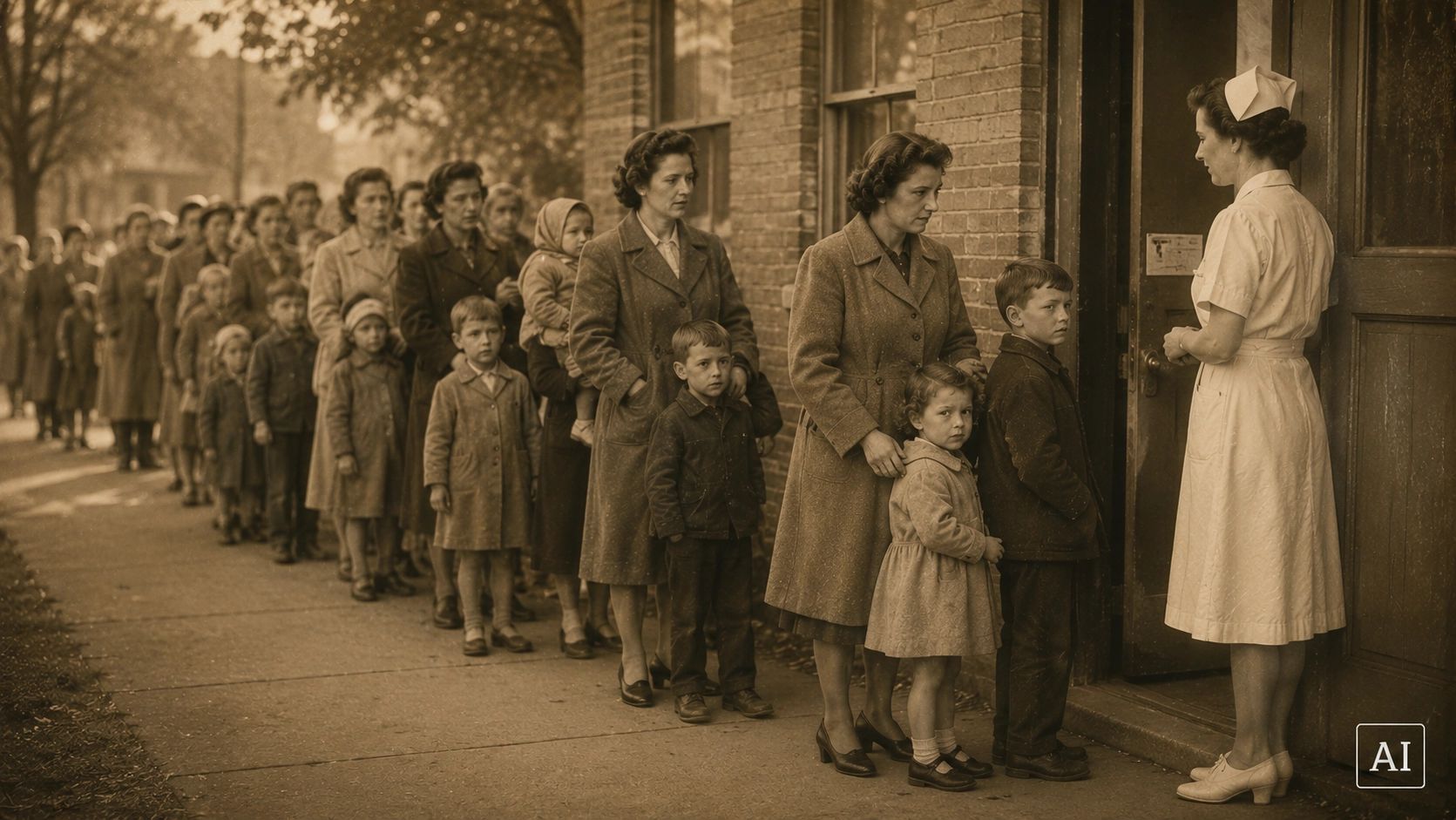
-
Antiquity
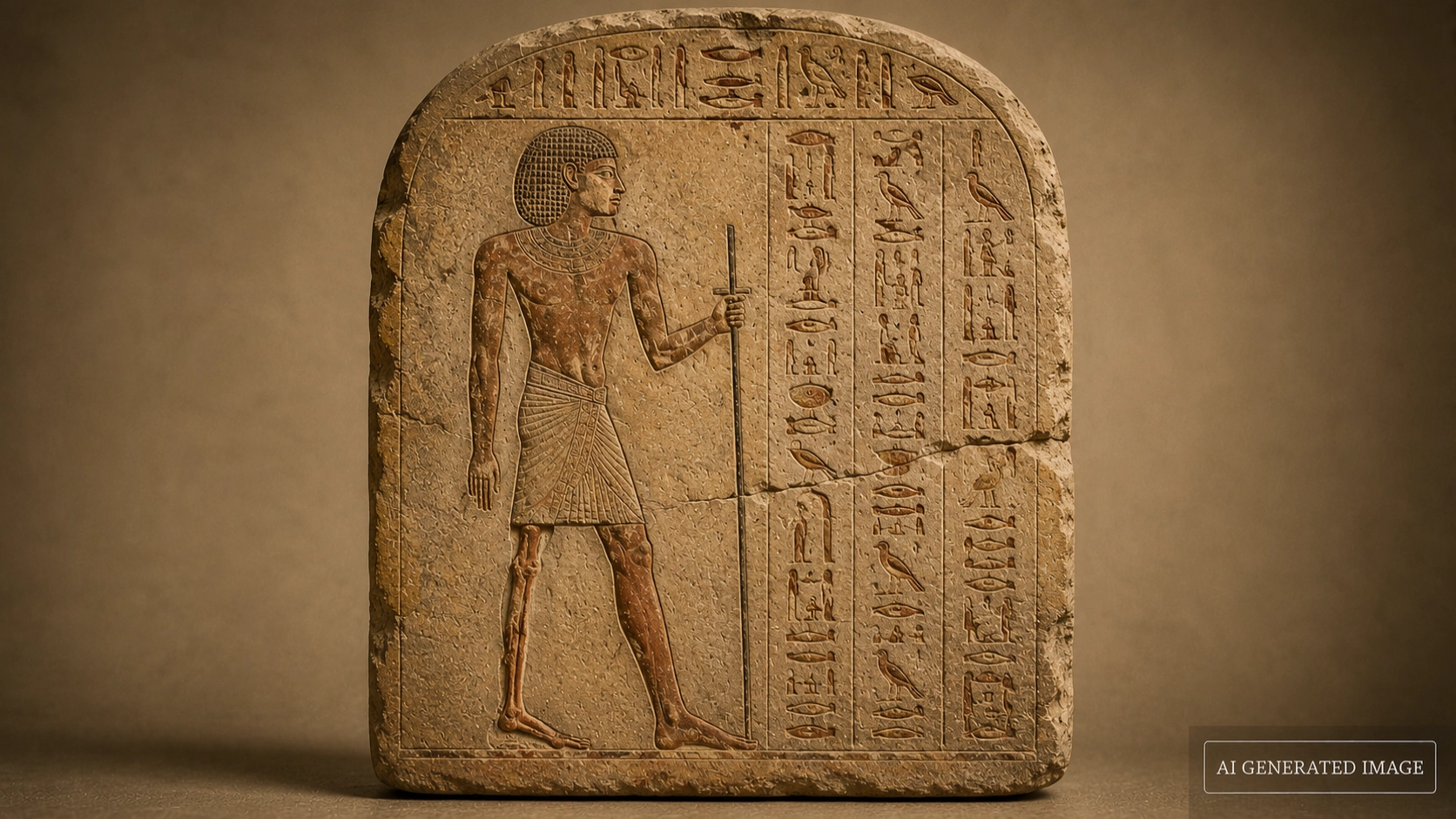
An ancient affliction
Polio is far older than the epidemics it is remembered for. An Egyptian carving from over three thousand years ago appears to show a withered leg — the disease's signature. For most of history it remained rare and scattered, hidden in the background of human life.
-
c. 1900
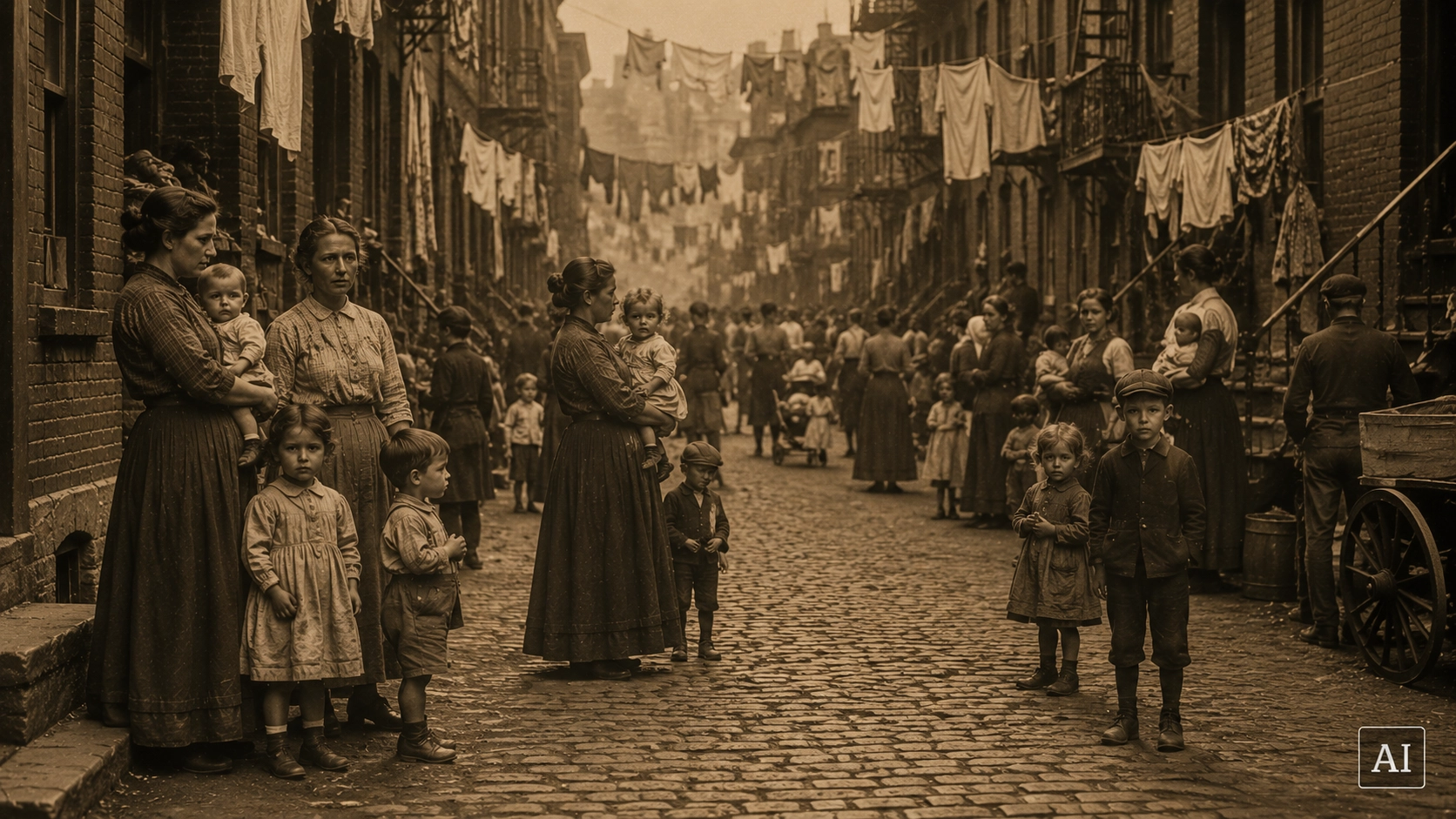
Suddenly, everywhere
Around 1900, polio changed character — from rare to epidemic. The cruel irony: improving sanitation meant infants were no longer exposed early, when the disease is mildest. A cleaner world produced a more dangerous one, and the great epidemics began.
-
1940s–50s
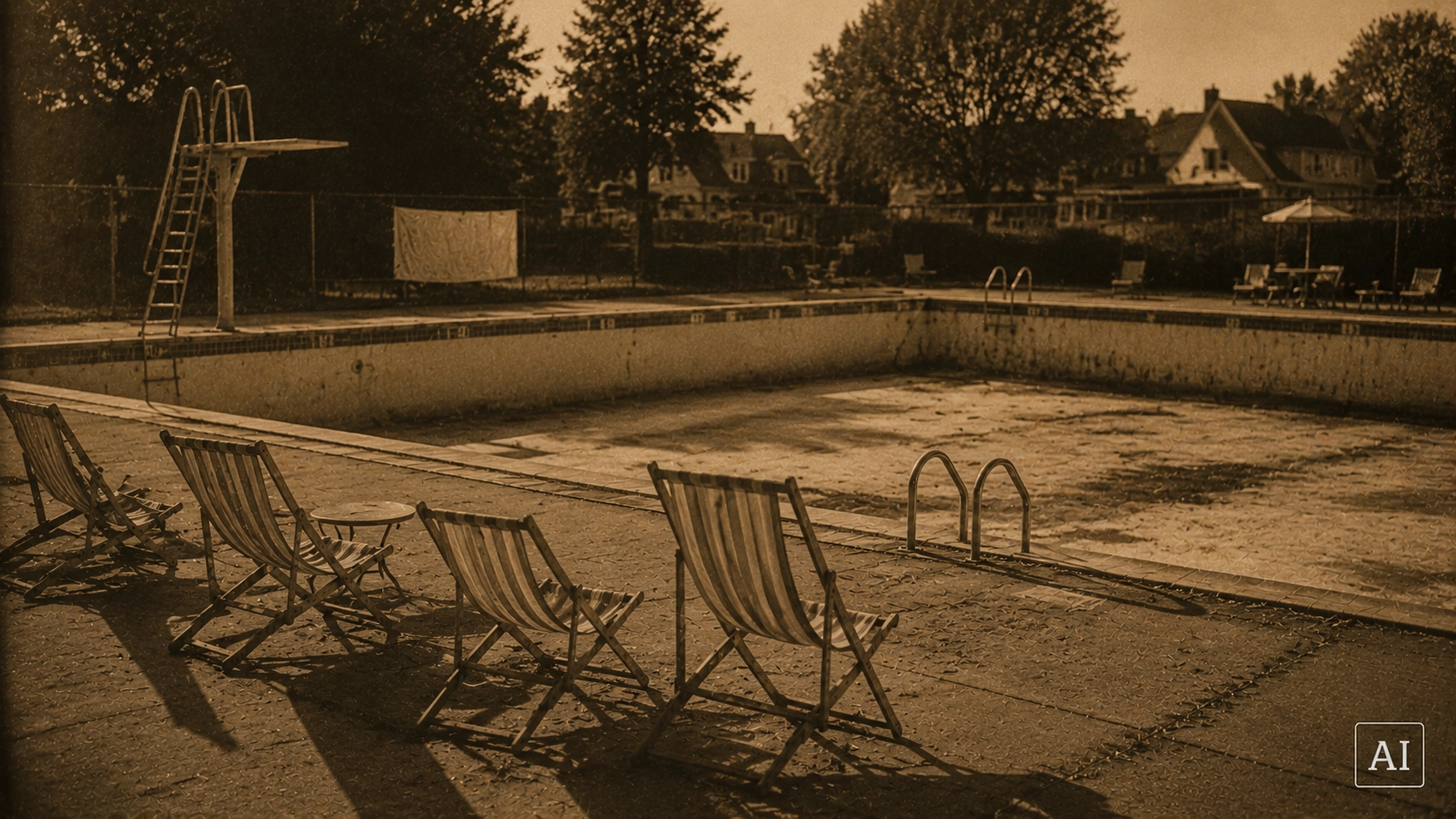
The summers of fear
Each summer brought dread. Swimming pools closed, playgrounds emptied, cinemas stood silent. Parents kept children indoors, watching for the first signs of fever. Polio became the defining fear of a generation of families.
-
For a few months every year, an invisible enemy emptied the streets of children.
-
The Ward
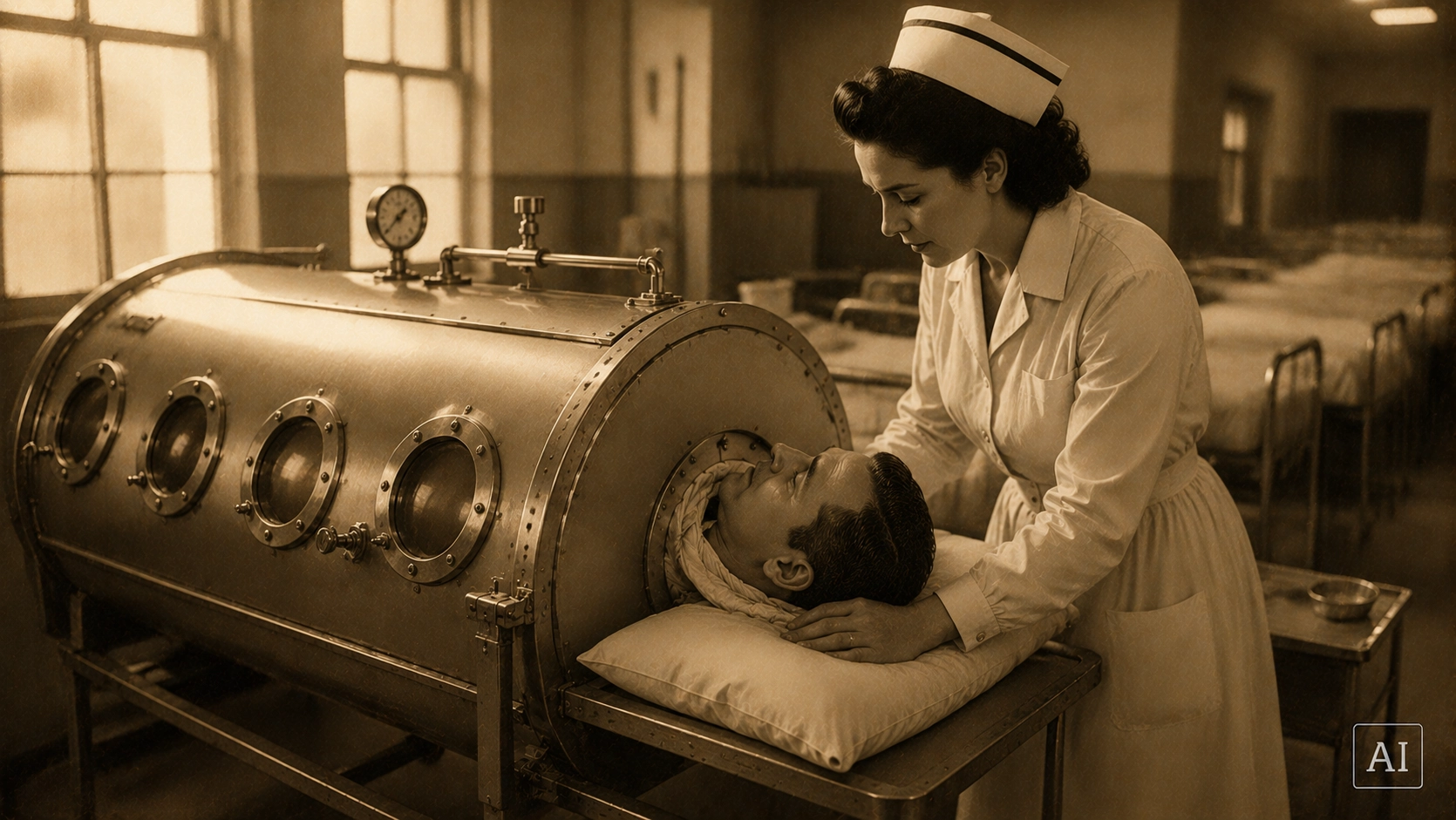
Machines that breathed
For those whose breathing muscles failed, survival meant the iron lung — rows of steel cylinders filling hospital wards. It became the era's most haunting image. Explore it in Room II →
-
1938
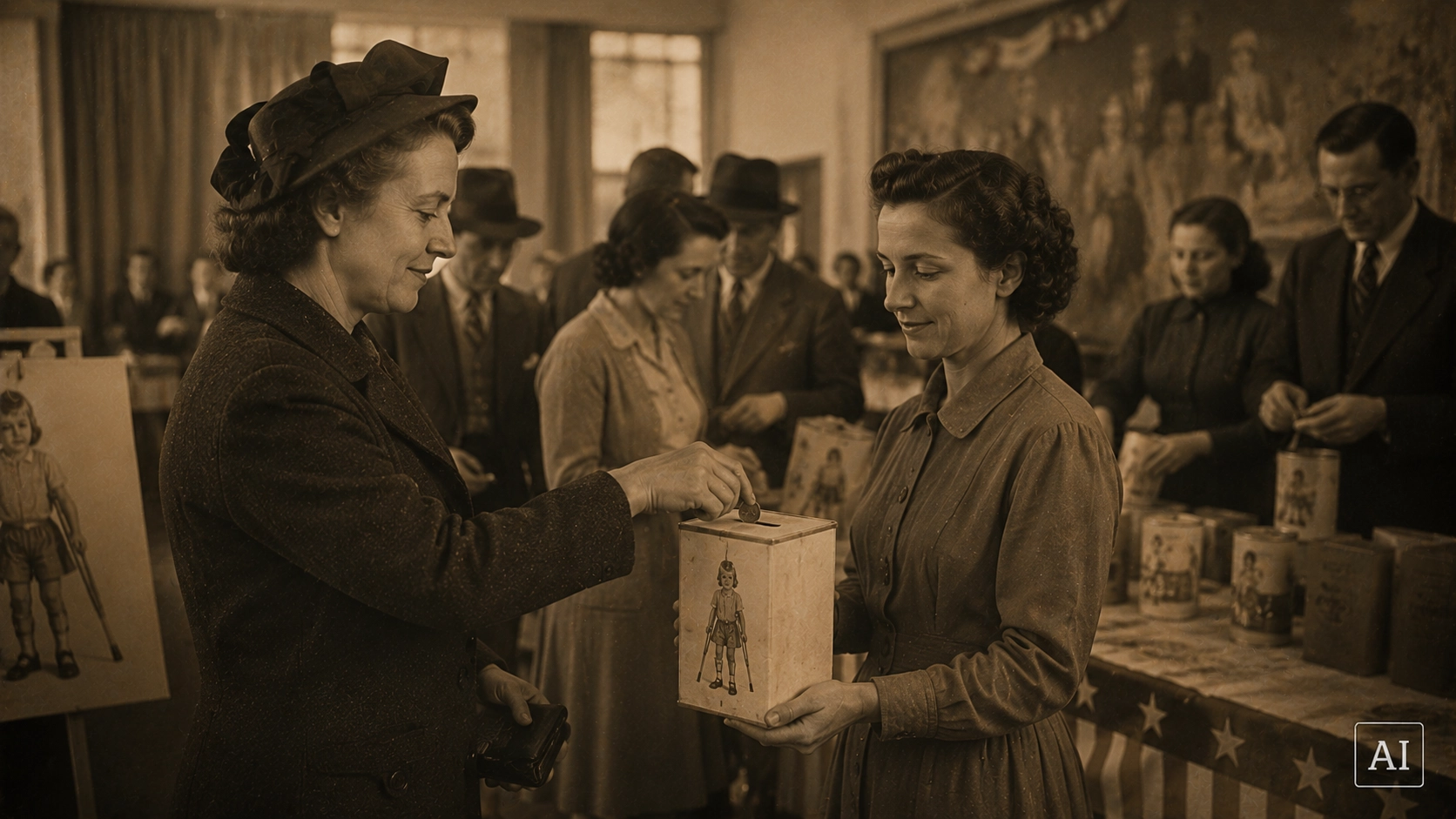
A nation mobilizes
A president who himself lived with paralysis helped turn private fear into public action. A vast campaign of small donations funded the search for a cure — proof that an entire society could organize itself against a single disease.
-
1955–1961
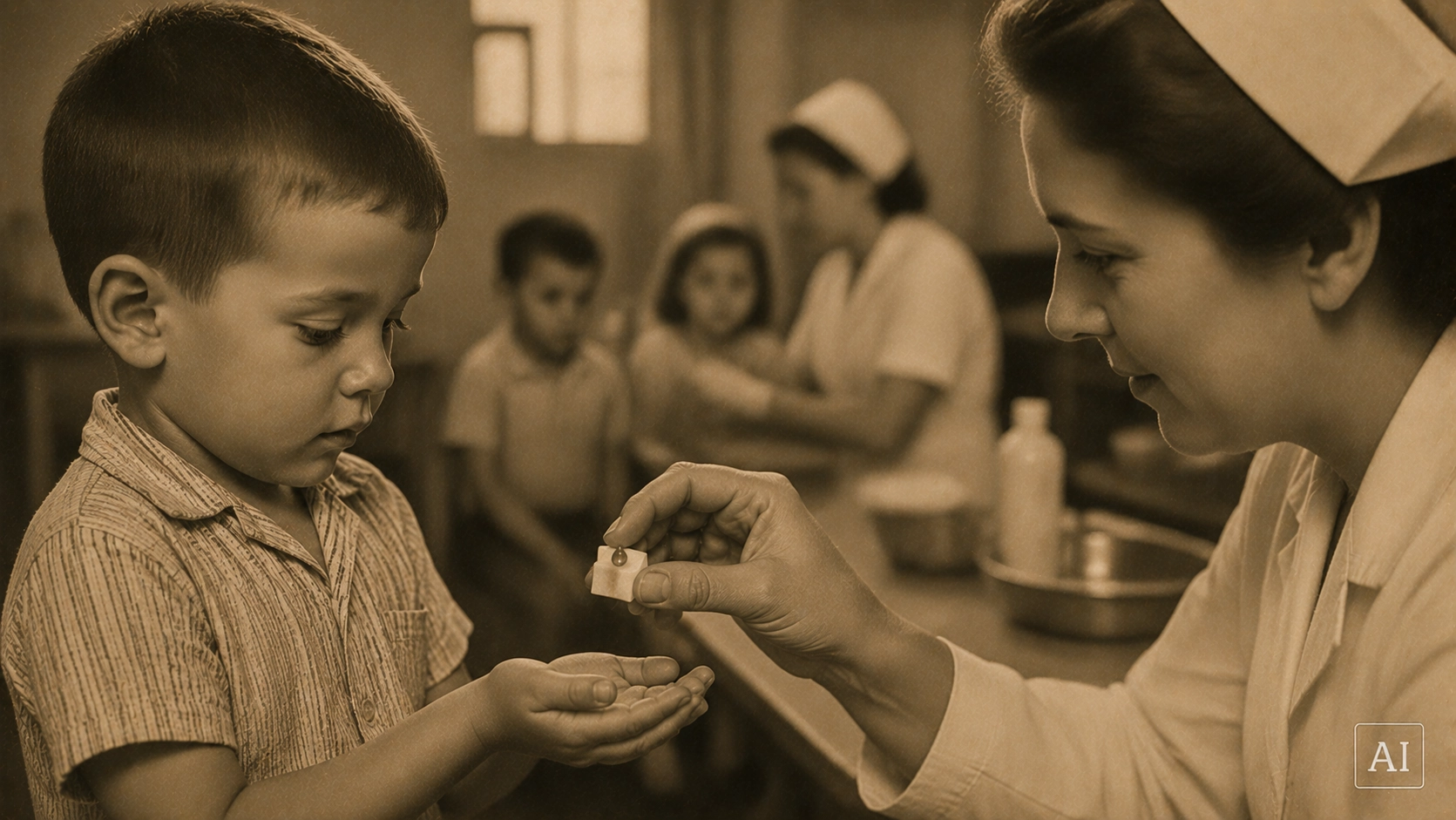
The breakthrough
Then came the vaccines. The first arrived as an injection and was met with public jubilation. A few years later, a second could be given as a single drop on a sugar cube — simple enough to reach millions of children around the world. The tide had turned.
-
1988 →
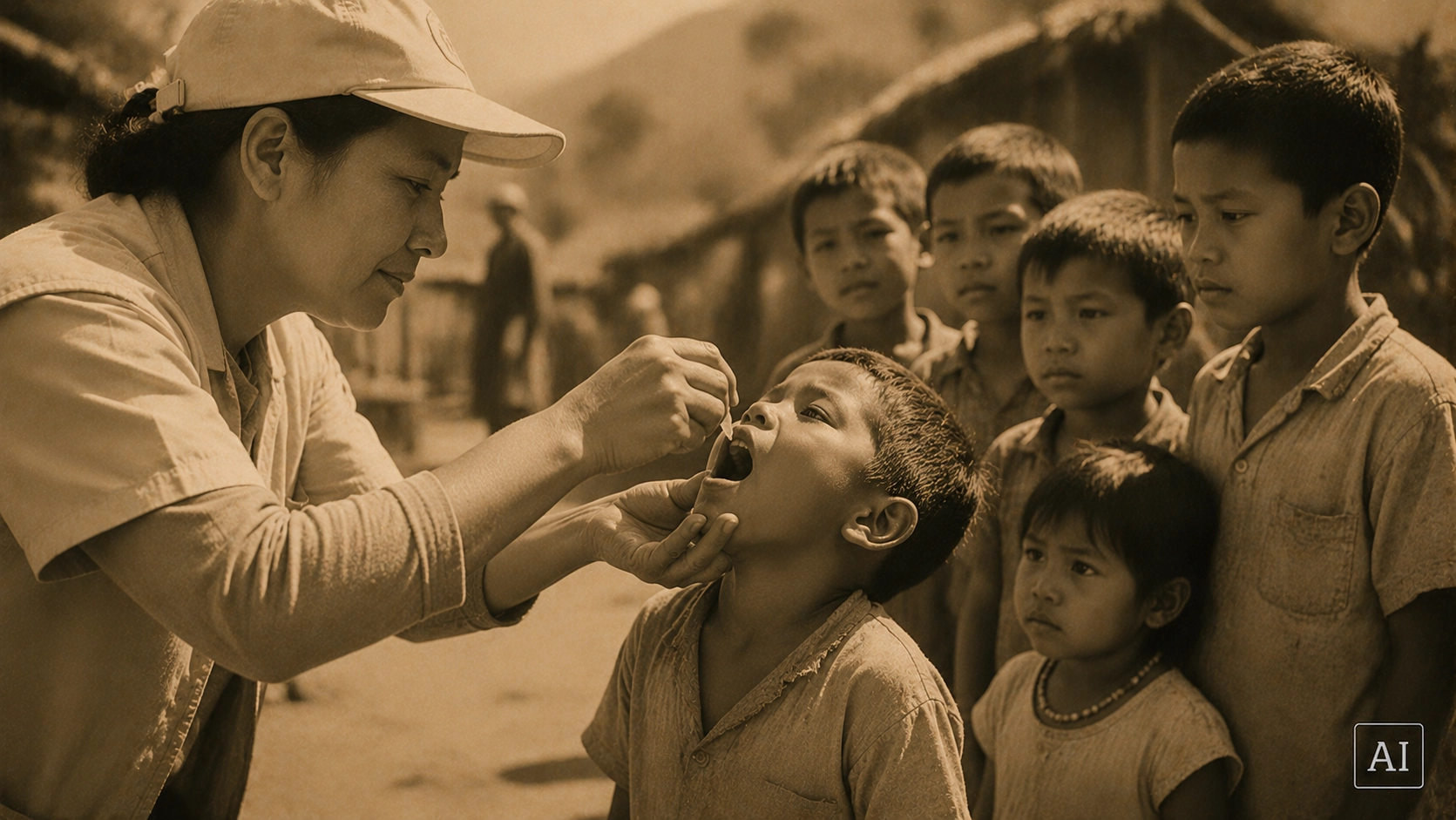
Nearly beaten — nearly forgotten
A global eradication effort pushed polio to the edge of extinction. Today it has all but vanished from daily life. But for those who survived, the story did not end — and as the world moved on, it began to forget.
Continue your visit
Room II — The Iron Lung