
Room V
Polio in Memory
Polio has almost vanished from the modern world — and with it, the memory of what it meant. This final room is not about facts alone, but about remembrance: how polio lives on in families, in bodies, in stories, and why we must not let it slip quietly into forgetting.
Why the world forgot
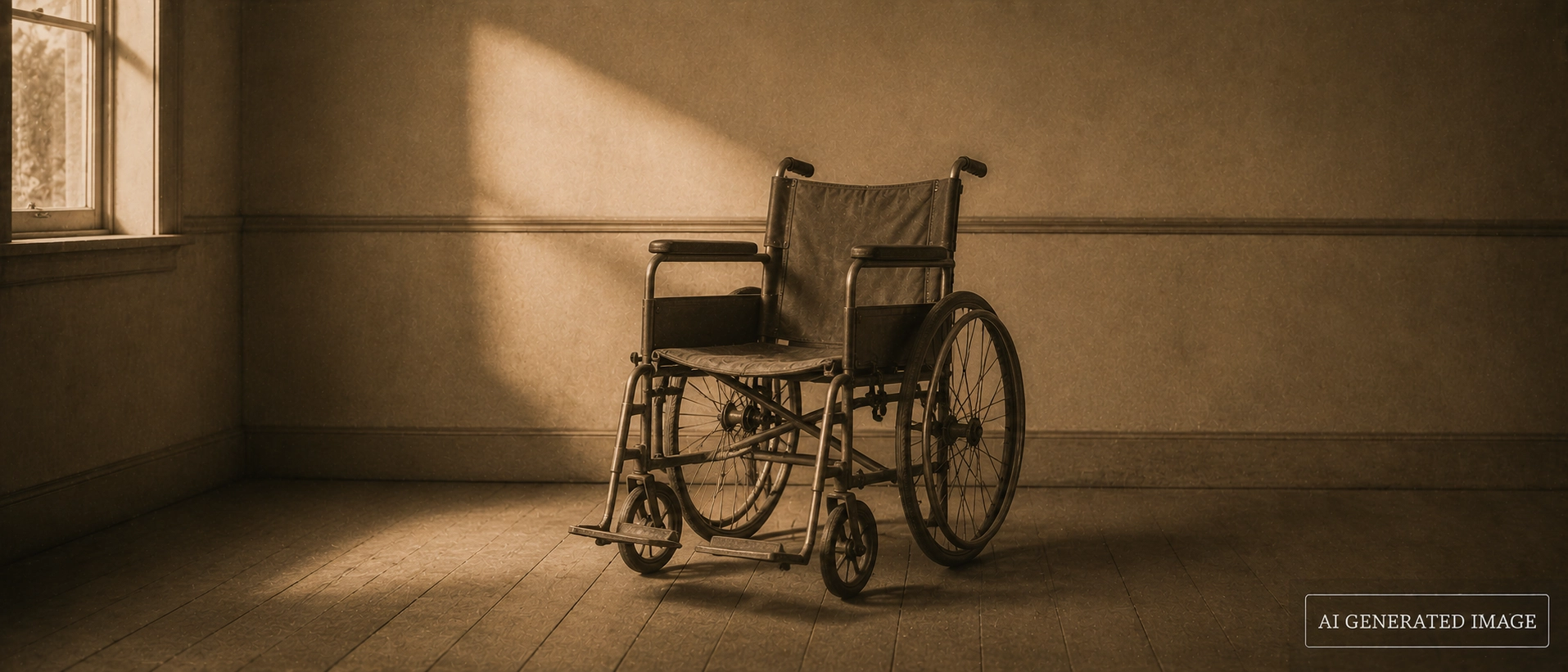
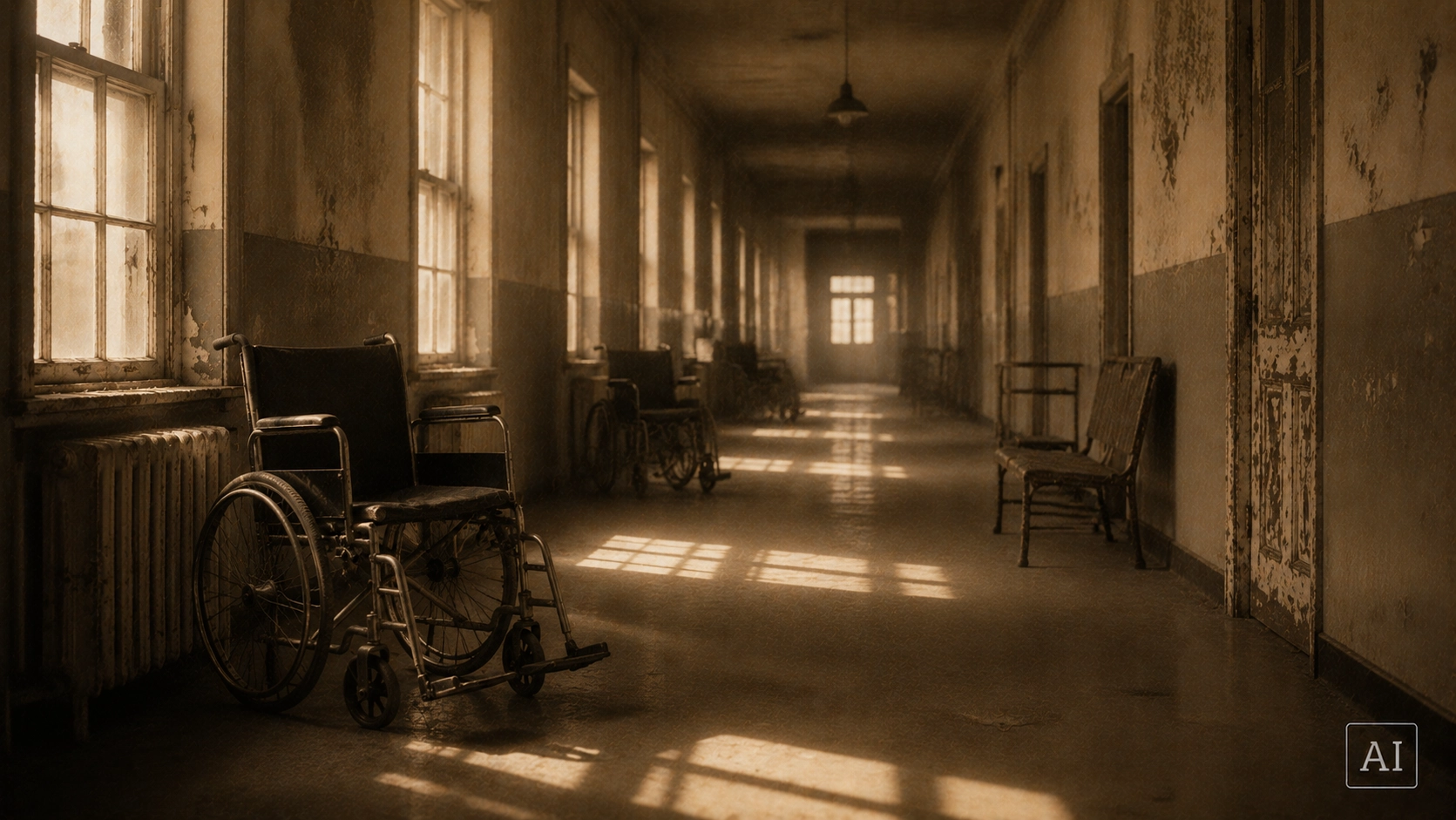
The vaccines worked. Within a generation, the crowded wards emptied, the summer fears faded, and polio slipped out of everyday life. Its disappearance was a triumph — but triumph has a strange side effect: when a danger is gone, the world stops thinking about it. The very success that saved millions also made it easy to forget what was survived.
What remains
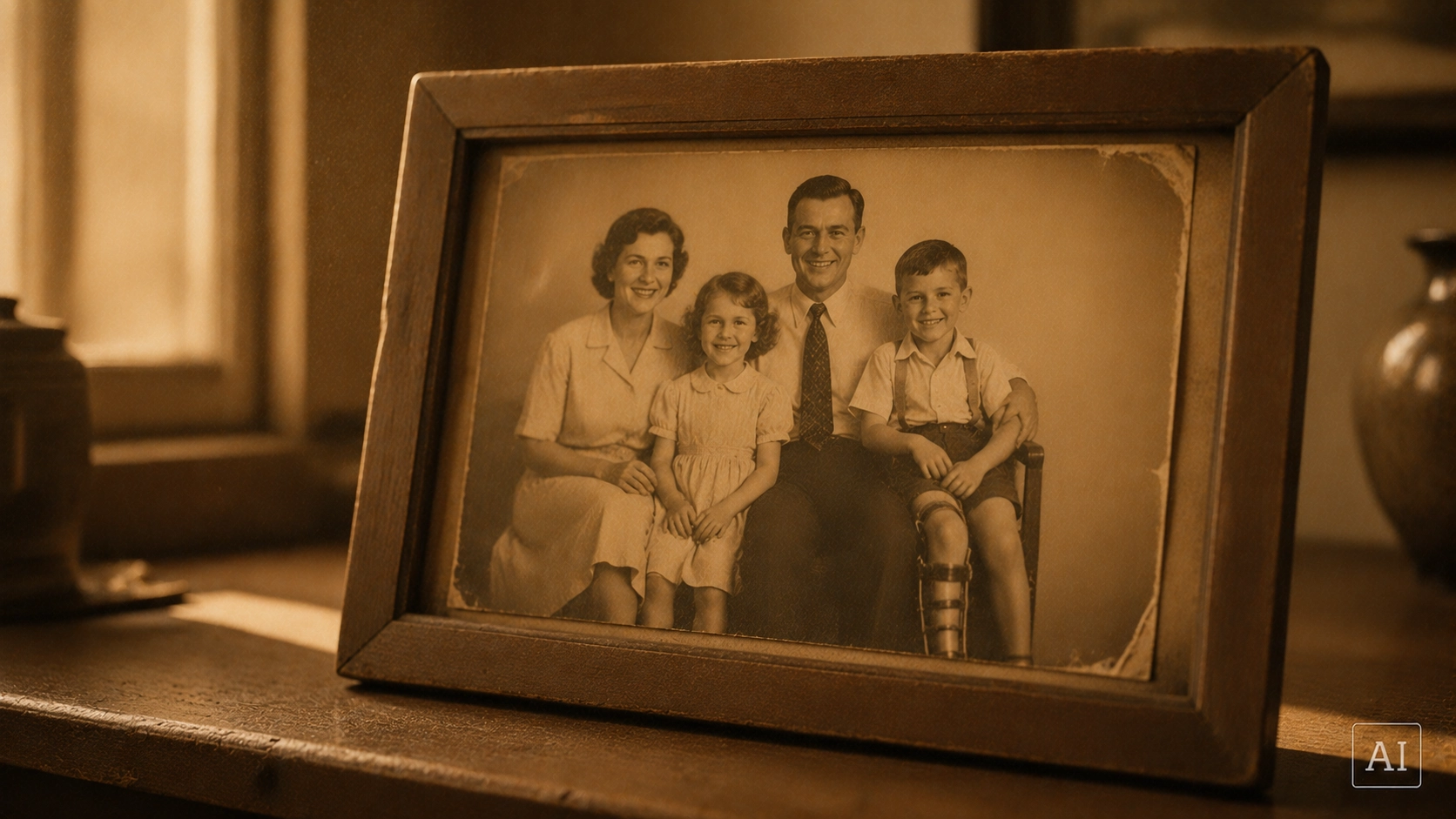
Yet for millions, polio never truly left. Survivors are still among us — in our families, our neighbourhoods, our memories — though their generation, the ones who lived through the epidemics first-hand, grows smaller each year. What remains lives in braces kept in attics, in old photographs, in a parent's quiet story, in bodies that still carry the marks of a childhood illness.
A disease can be defeated and still leave a lifetime in its wake.
Held in memory
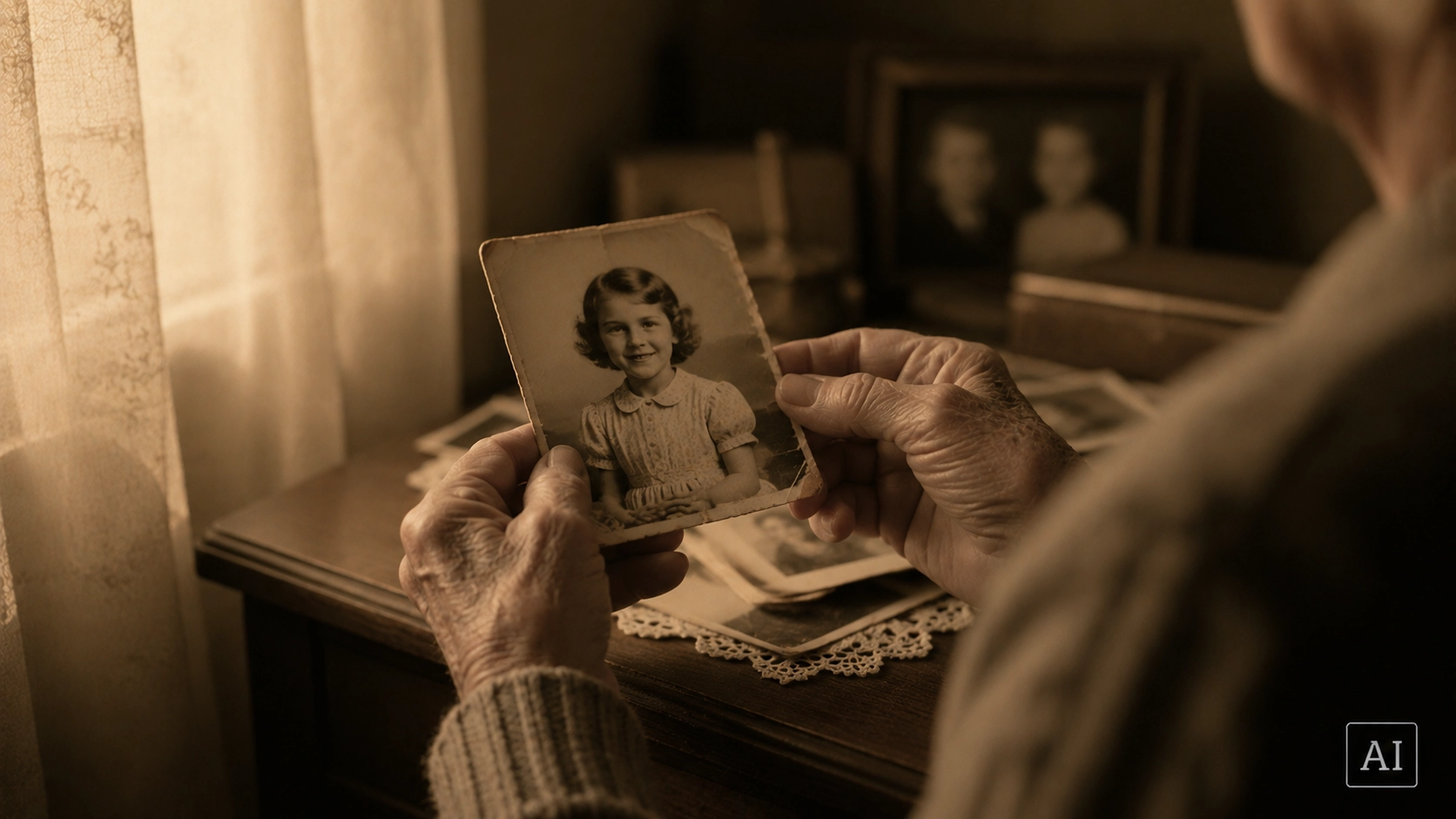
Memory is fragile. It lives in objects that outlast us and in stories told one more time before they are lost. This museum exists for that reason — to gather what might otherwise scatter: the testimonies, the images, the small everyday details that turn a medical history into human lives. To remember is to refuse to let those lives disappear.
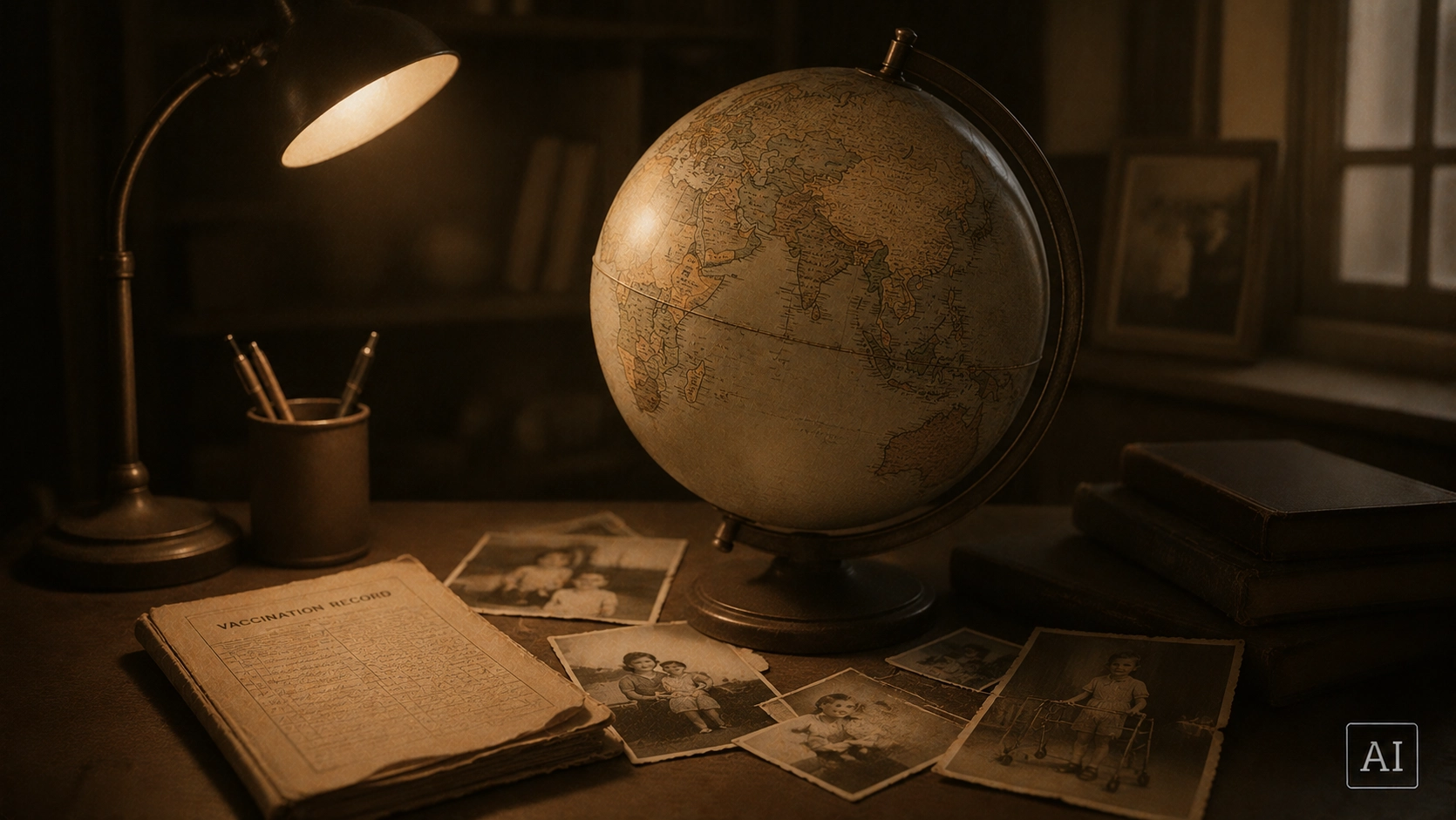
The fight is not over
Polio has not been wiped from the earth. Wild poliovirus still circulates in a small number of countries, and cases have fallen by over 99% since 1988 — but not to zero. Remembering is therefore not only an act of mourning; it is an act of vigilance. The story is not yet finished, and the world that forgets is the world that lets it return.
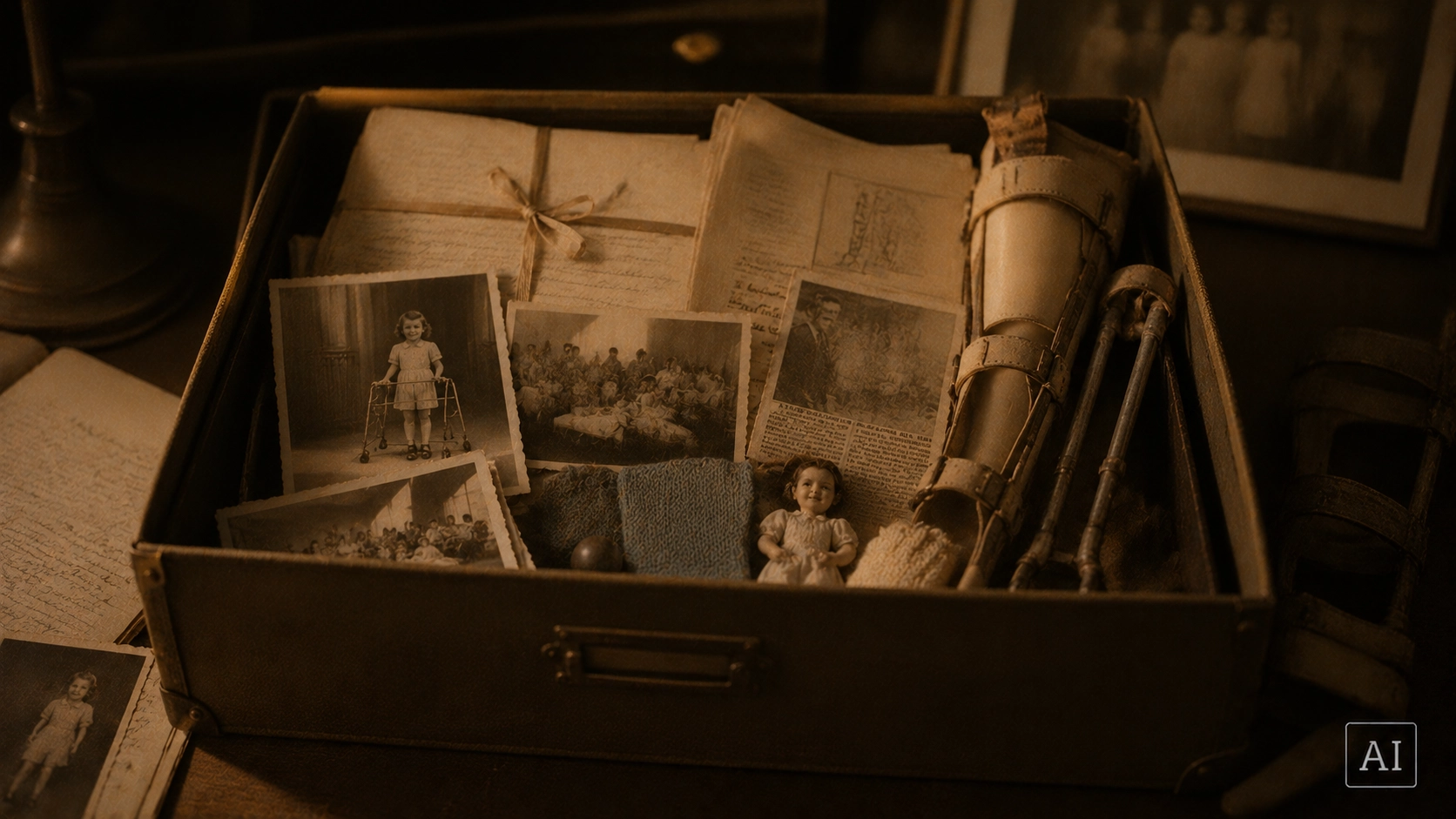
Why we remember
We remember because the survivors asked us to. Because behind every statistic was a child, a parent, a life rebuilt. Because the courage it took to live through polio deserves more than a footnote. And because memory is how we honour the past while protecting the future. As long as their stories are told, those who lived through polio are never truly gone.
Thank you for walking through this museum. The memory you carry out with you is part of what keeps it alive.